
 Back
Back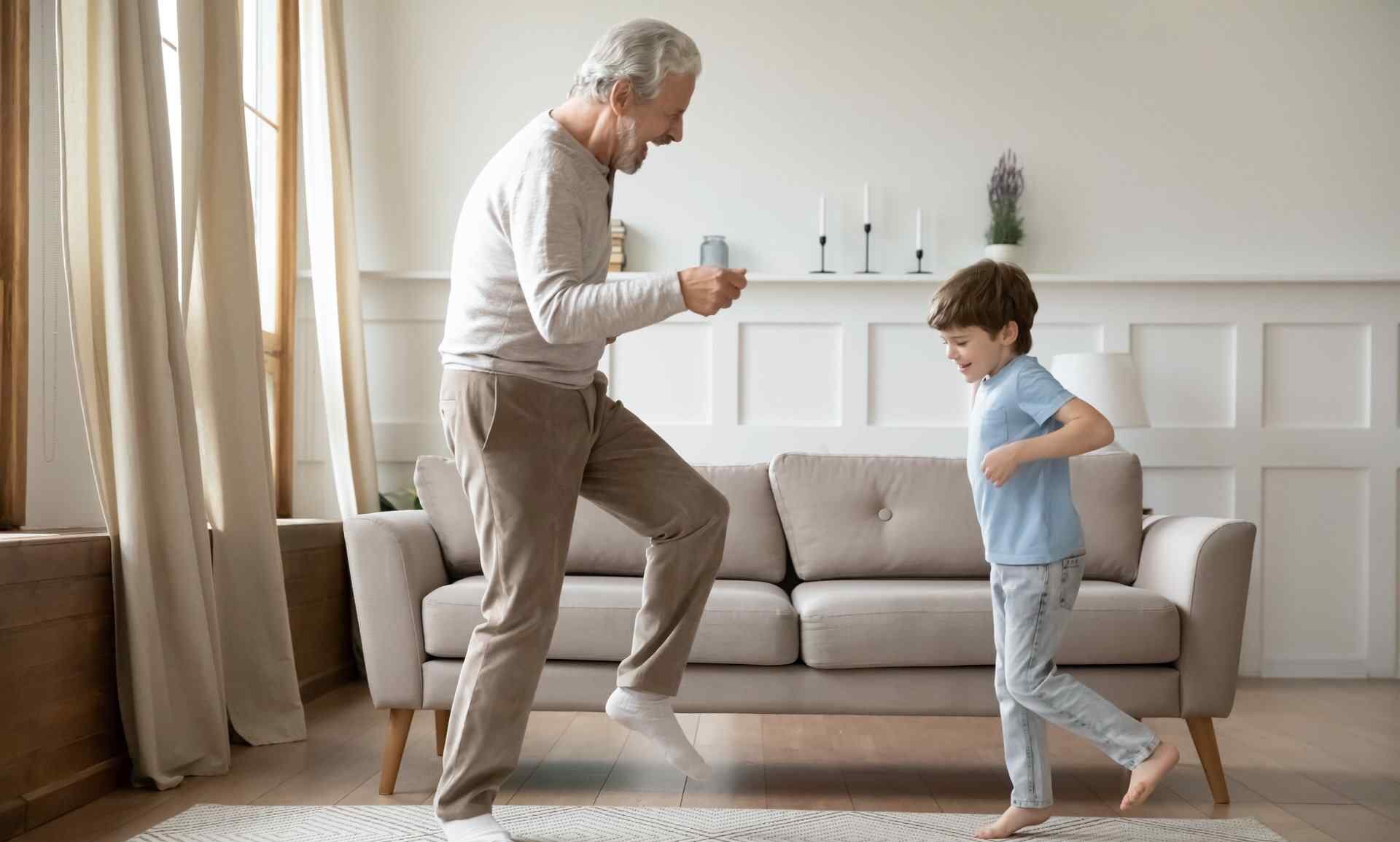
Music holds a profound power, especially for individuals living with dementia. Beyond just entertainment, it offers a unique pathway to connection, memory, and improved well-being.
____________________________________________________________________________________________________________________________________________
Key Takeaways
Music is a uniquely powerful tool for connection and cognition
Musical aptitude and appreciation are among the last abilities to decline in people living with advanced dementia, making music an excellent way to connect with the person. Pairing music with activities can help develop a rhythm that aids memory recall and improves cognitive ability over time.
Personalised music offers significant psychological benefits
Scientific research shows that listening to a personal playlist (such as old favourites or childhood lullabies) can dramatically improve the quality of life for a person living with dementia. The benefits include cutting down on anxiety, helping to maintain speech, boosting mood, making difficult tasks more manageable, and evoking memories that help families and carers connect.
Music facilitates emotional and physical closeness
In later stages of dementia, music and dancing allow patients and caregivers to share emotional and physical closeness, which can lead to hugs and touching. Furthermore, singing and listening to music simultaneously stimulate the left and right sides of the brain, leading to more mental engagement than usual.
_______________________________________________________________________________________________________________________________________________
The power of music
1. Music can evoke emotion even in the most advanced people living with dementia
By pairing music with everyday activities, people living with dementia can develop a rhythm that helps them recall the memory of that activity, thus improving cognitive ability over time.
2. Musical aptitude and appreciation are two of the last remaining abilities in people living with dementia
As these two abilities remain long after other abilities have passed, music is an excellent way to go beyond the disease and reach the person living with dementia.
3. Music can bring emotional and physical closeness
In the later stages of dementia, loved ones often lose the ability to share emotions with their caregivers. Through music, as long as they are ambulatory, they can often dance. Dancing can lead to hugs, kisses and touching which brings security and memories.
4. Singing is engaging
As singing activates the left side of the brain, listening to music sparks activity in the right. With so much of the brain being stimulated, your loved one will exercise more mind power than usual.
5. Music can shift mood, manage stress and stimulate positive interactions
Music requires little to no mental processing, so singing music does not require the cognitive function that is not present in most people living with dementia.
Find out more about our dementia services
The benefits of a personal playlist
Listening to music can really help improve the quality of life for a person living with dementia. The music they listen to could range from an old favourite song that reminds them of a special moment, to lullabies from childhood.
Over the last two decades, scientific research has shown that listening to a personal playlist can improve the lives of those living with dementia. Furthermore, listening to personalised music has many psychological benefits which include:
- Reduced anxiety
- Maintain speech and language
- Improvement of your mood
- Making difficult tasks more manageable
- Evoking memories that can help families and carers connect.
Playlist for Life harnesses the powerful effects of personal music to assist anyone living with dementia as well as their families and carers. Sharing your songs and memories can help people living with dementia connect with family, friends and carers.
Playlist for Life continues to train people to become music detectives, so they can support more people to create and use personal playlists. This has included Alzheimer’s Society dementia advisers, among many others. They have also been encouraging family members to send music players loaded with personal playlists to their loved ones who are under lockdown, to lift a person’s mood when physical contact hasn’t been possible.
How can Cavendish Homecare help?
At Cavendish Homecare we are experts in providing dementia homecare for clients who want to remain in their own homes. When it comes to your health and wellbeing, choosing the right homecare package is of utmost importance and navigating this process can be overwhelming. With Cavendish Homecare by your side, you’ll have the support you need to remain safely at home while enjoying elevated health and wellbeing.
If you would like to enquire about our homecare services, contact us on, 02030085210 or email us at info@cavendishhomecare.com.

About the Author…
Misha Zemkova
Operations Lead
Misha plays a key role in ensuring the smooth and efficient running of day-to-day operations across the business. With a background in supported living and a degree in Health and Social Care, she brings both experience and empathy to her role.