A cancer diagnosis often raises questions about diet. While there’s no magic diet to cure cancer, a healthy, balanced lifestyle is crucial for supporting your body during and after treatment. Cancer and its treatments can impact your appetite and change how your body tolerates foods. Ensuring you get the right nutrients helps maintain your strength, speeds up recovery, and reduces infection risk.
___________________________________________________________
Key Takeaways
Nutrition is a critical support system, not a cure
While diet cannot cure cancer, a healthy, balanced lifestyle is vital for supporting the body through treatment, aiding recovery, and reducing infection risk. Cancer and its treatments often impact appetite and food tolerance, making the intake of proper nutrients essential for maintaining strength.
Embrace seasonal foods for a balanced diet
Choosing fresh, seasonal foods can help ensure the body gets necessary nutrients (carbohydrates, protein, fat, vitamins, and minerals) and makes eating more appealing. The text offers specific seasonal examples, such as a pea salad in spring, a blueberry and avocado smoothie in summer, butternut squash lasagna in autumn, and kale and carrot soup in winter.
Lifestyle factors and professional guidance are key
Diet is part of a larger picture, and lifestyle factors like smoking and high alcohol intake can increase cancer risk (e.g., processed meats are classified as a carcinogen). Additionally, exercise is crucial for managing fatigue and improving mood. Finally, patients should always consult a healthcare provider before starting an exercise plan or taking supplements, as a healthy diet generally provides all necessary nutrients.
_______________________________________________________________________________________________________________________________________________
The importance of good nutrition
Seasonal foods for a balanced diet
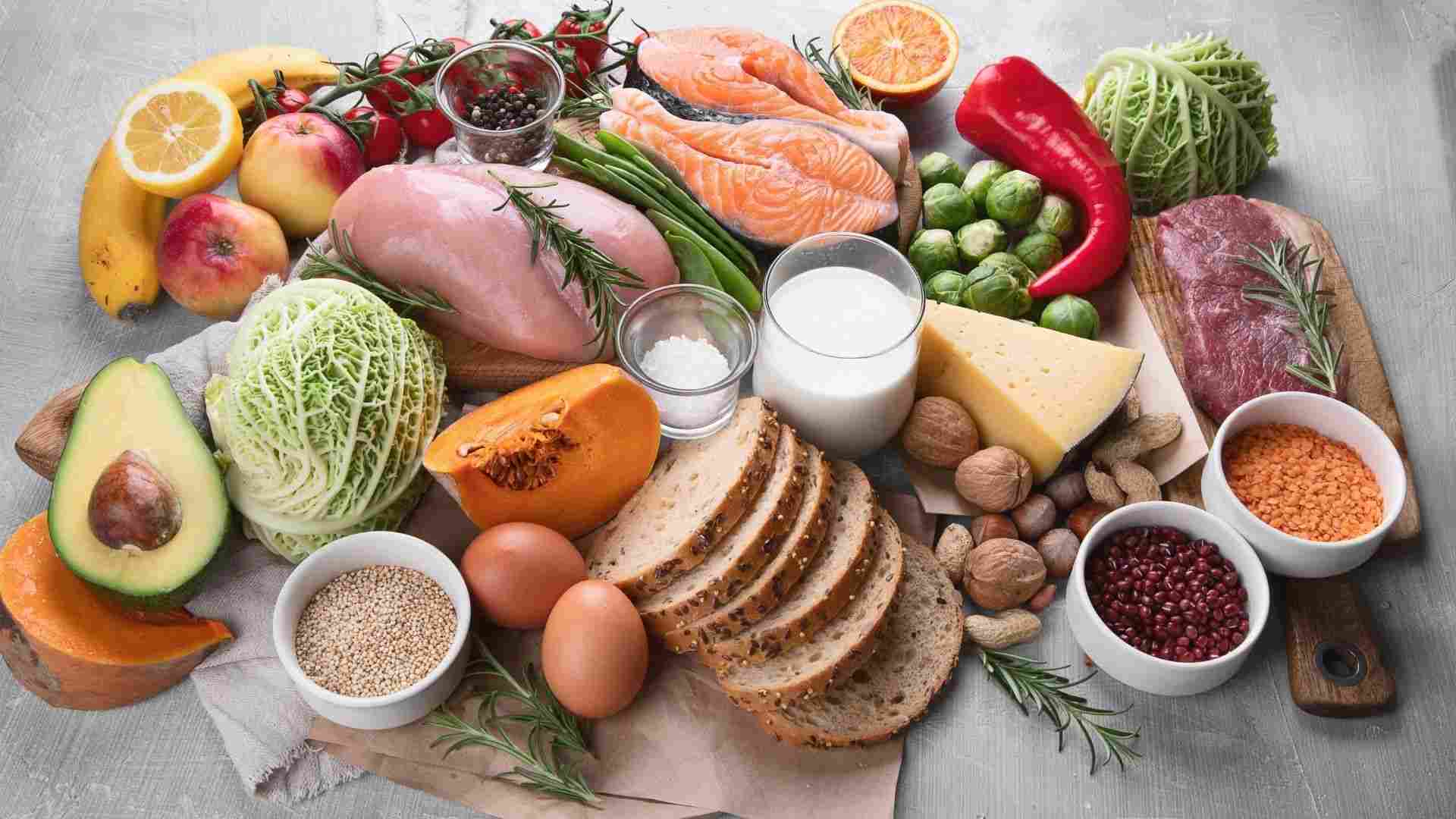
Choosing fresh, seasonal foods can make eating more appealing. Here are some ideas to help you get the essential carbohydrates, protein, fat, vitamins, and minerals your body needs throughout the year.
Spring
Try herby roast chicken with spring vegetables like carrots and leeks, or a vibrant pea salad with mint.
Summer
A blueberry and avocado smoothie is perfect for poor appetites in the heat. For a quick snack, opt for tomato, raisin, and pine nut bruschetta.
Autumn
Butternut squash lasagne is a great, lighter alternative to a meat dish and is packed with Vitamins A and C. For a sweet treat, make an autumn apple crisp with fresh apples and spices.
Winter
Warm up with kale and carrot soup, which contains compounds that may help prevent cancer growth. A cheesy winter pumpkin pasta bake is a comforting dish full of fibre and protein.
Common questions about diet and cancer
Can certain foods cause cancer?
Diet is a factor in cancer risk. While no single food directly causes cancer, a poor diet combined with other lifestyle factors like smoking and a high alcohol intake can increase your risk. Processed meats are classified as a carcinogen by the World Health Organisation and have a strong link to cancer.
Should I only eat organic food?
There’s little scientific evidence that organic food is healthier or reduces cancer risk more than conventionally grown food. The most important thing is to eat a diet rich in fruits and vegetables, regardless of whether they are organic.
How important is exercise?
Physical activity is crucial for overall well-being. It can help manage side effects like fatigue, speed up recovery, and improve mood. Always consult your doctor or a physiotherapist before starting an exercise plan.
Should I take supplements?
A healthy diet usually provides all the nutrients you need. However, if you struggle to eat a balanced diet, a multivitamin or mineral supplement might be helpful. Always speak to your healthcare provider before taking any supplements.
A collective call to action
By focusing on a healthy, balanced diet with seasonal foods and incorporating regular physical activity, you can take proactive steps to support your body’s recovery and long-term health. These simple
 Back
Back