 Back
Back
____________________________________________________________________________________________________________________________________________
Key Takeaways
Thirst is a late warning
As you age, your body’s thirst signal becomes less sensitive. If you feel thirsty, you are likely already in the early stages of dehydration, so it is vital to drink steadily throughout the day.
Every fluid counts towards your goal
Aim for 6–8 cups of liquid daily. This includes water, tea, coffee, and even moisture-rich foods like jelly, custard, or ice lollies to keep your levels topped up.
Mental and physical signs overlap
Dehydration doesn’t just cause a dry mouth; it can lead to confusion, dizziness, and headaches. These symptoms are often mistaken for general ageing, which makes regular drinking even more critical.
____________________________________________________________________________________________________________________________________________
Your body needs a lot of water to function well. It lubricates the joints and eyes, flushes out toxins and waste, aids digestion and keeps the skin healthy. As you age, your sensitivity to thirst changes and your body doesn’t demand as much water as in your younger years. Problems with dehydration may occur as a result of not drinking enough, as your body still needs fluids to function.
What makes older adults more likely to get dehydrated?
Older adults lose fluids more easily. This is due to natural changes in body composition as we age. Those 65 and older typically have less water in their bodies than younger adults or children. Decreases in fluids can also be affected by reduced kidney function. Anne Vanderbilt, CNS of the Cleveland Clinic notes that our sense of thirst fades with age. By the time an older adult feels thirsty, they are often already dehydrated.
Not getting enough water can have serious health consequences, as water is needed for most bodily processes. Among those 65 and over, dehydration is a common reason of hospitalisation. This is because the signs are easily missed or attributed to other medical conditions or aging.
Signs and symptoms of dehydration in later life
The effects which dehydration can have on you are not only physical, but also mental and emotional. The blood vessels in your entire body get smaller due to your diminishing fluids.
Physical signs of dehydration are tiredness, dizziness, dry mouth, headache, muscle cramps, chills, feeling cold or too hot, and your skin might look red. Dehydration also manifests by confusion or anxiety, which worsens in cases with a diagnosis of dementia. Continuous dehydration can cause more severe symptoms which can lead to hospitalisation.
How to prevent dehydration?
To prevent dehydration, try to drink 6 – 8 cups of liquid each day. That is a normal cup or glass. Every drink counts, hot or cold! You can even make a chart or a diary to help you remember. When you take medication, drink a full glass of water with it. Keep a water bottle with you and sip it continuously throughout the day. Eat foods that are high in fluids, such as ice lollies, jelly, creamy sauces, custard and extra milk. If you don’t want to wake up at night to go to the bathroom, avoid drinking alcohol or coffee close to bedtime. Instead, drink more water earlier in the day.
You are not alone if you worry about reaching the toilet in time. Please speak to your doctor or pharmacist if this is a concern. It is important to talk to your doctor or a pharmacist about this. Age UK also offers a free ‘toilet card’ that can help you to use the toilet without saying too much.
How can Cavendish Homecare help?
At Cavendish Homecare we are experts in providing private homecare for clients who want to remain in their own homes. When it comes to your health and well-being, choosing the right homecare package is of utmost importance and navigating this process can be overwhelming. With Cavendish Homecare by your side, you’ll have the support you need to remain safely at home while enjoying elevated health and wellbeing.
If you would like to enquire about our homecare services, contact us on, 02030085210 or email us at info@cavendishhomecare.com.
About the Author…
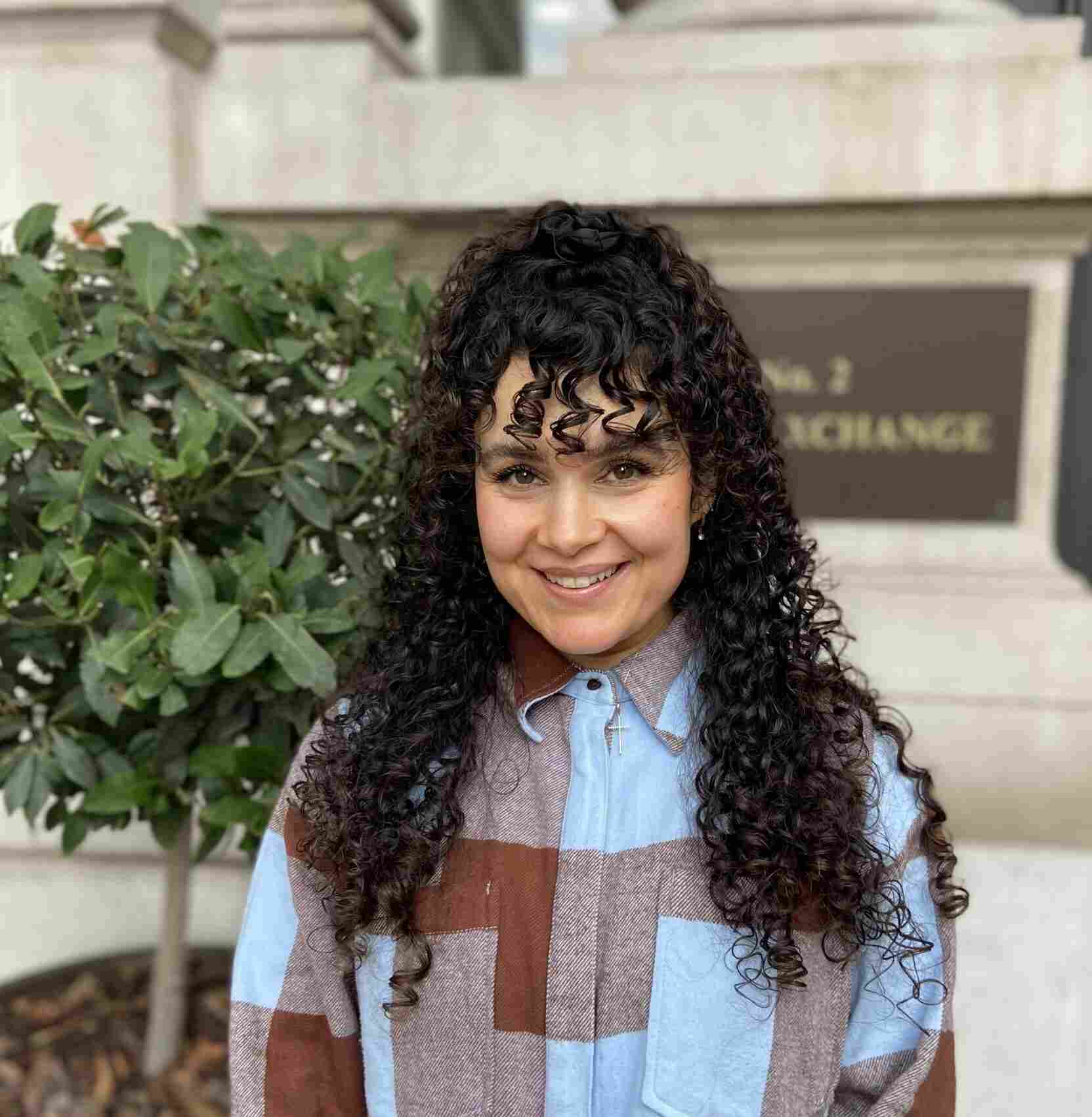
Misha Zemkova
Operations Lead
Misha plays a key role in ensuring the smooth and efficient running of day-to-day operations across the business. With a background in supported living and a degree in Health and Social Care, she brings both experience and empathy to her role.