
 Back
Back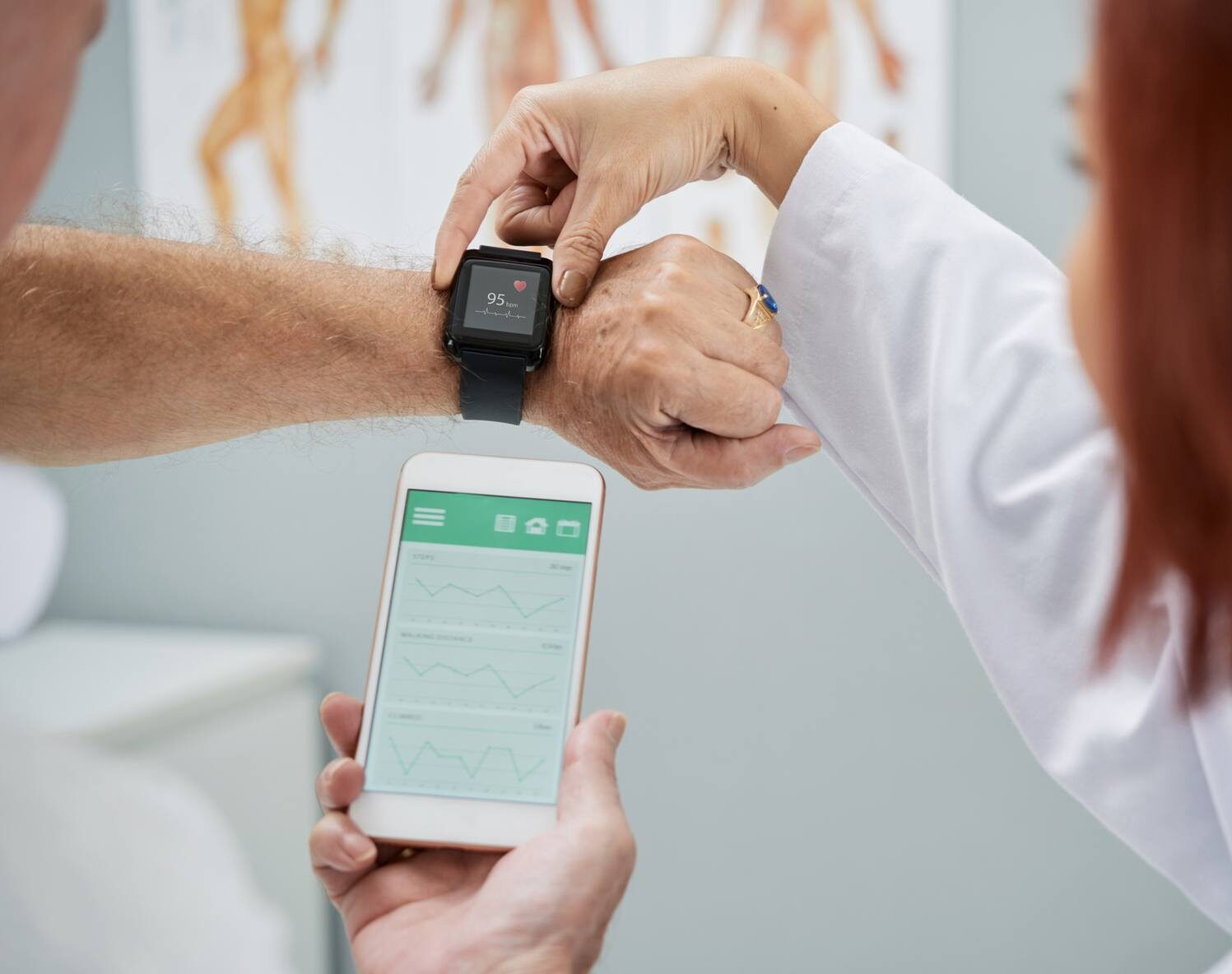
____________________________________________________________________________________________________________________________________________
Key Takeaways
Digital biomarkers offer a new window for detection
Traditional diagnosis often happens after symptoms appear, by which point significant brain damage may have already occurred. Using wearables to track digital fingerprints—such as subtle changes in walking pace, heart rate, and sleep—allows researchers to spot signs of the disease ten to fifteen years before memory loss begins.
AI is the engine behind early diagnosis
The sheer volume of data from thousands of users is too vast for humans to analyse alone. Advanced artificial intelligence and machine learning are essential for sifting through this information to find hidden patterns. By combining wearable data with clinical brain scans, AI helps create a highly accurate and comprehensive picture of an individual’s long-term brain health.
Early detection transforms treatment and planning
Identifying Alzheimer’s in its earliest stages is a game-changer for medical research. It allows patients to join clinical trials when new treatments are most likely to be effective. For families, an early heads-up provides vital time to make lifestyle changes and plan for the future before the disease progresses.
____________________________________________________________________________________________________________________________________________
Wearable technology, like smartwatches and fitness trackers, has rapidly grown in popularity, offering a simple way to monitor our health by counting steps and tracking sleep. Now, researchers are using this technology for a groundbreaking purpose: detecting the early signs of Alzheimer’s disease. The EDON (Early Detection of Neurodegenerative diseases) initiative is a key player in this effort, using a digital toolkit to find the first clues of the disease long before symptoms appear.
Understanding Alzheimer’s disease
Alzheimer’s is the most common form of dementia, affecting over 520,000 people in the UK alone. It’s a progressive brain disease where connections between cells are lost due to the buildup of abnormal proteins. This process causes brain cells to die and brain tissue to shrink, leading to the cognitive and behavioural symptoms we associate with dementia. Since this damage occurs over many years, the ability to identify the disease at its earliest stages could be a game-changer for both research and treatment.
The power of wearable technology and AI
The EDON project is using a combination of consumer wearables and advanced artificial intelligence (AI) to analyse massive amounts of data. This allows them to look for subtle “digital fingerprints” of the disease that are invisible to the human eye. The technology collects data on key metrics, including:
- Gait: Small changes in how a person walks, such as pace or stride.
- Heart rate: Variations in heart rhythm during different activities and rest.
- Sleep patterns: Disruptions in sleep, which are often an early sign of neurodegenerative diseases.
AI is essential for this process. It can sift through vast datasets from thousands of participants, finding hidden patterns that signal the onset of Alzheimer’s. This is crucial for developing biological clues, which are measurable indicators of a disease state. By combining this wearable data with traditional clinical information like brain scans, researchers can create a more accurate and comprehensive picture of a person’s brain health.
The future of early detection
The ultimate goal of this research is to create a proven medical test that could be used in clinical practice. Early detection would allow people to enroll in clinical trials for new treatments at a stage when they have the best chance of being effective—before significant brain damage has occurred. It would also give individuals and their families time to plan for the future and make important lifestyle changes.
While this technology holds immense promise, it’s also important to address concerns around data privacy and security. Projects like EDON must ensure that personal health information is protected and that the process of communicating a potential diagnosis is handled ethically and responsibly. This groundbreaking work is part of a global effort to find a cure and is a beacon of hope for all those affected by Alzheimer’s.
How can Cavendish Homecare help?
At Cavendish Homecare we are experts in providing private dementia homecare for clients who want to remain in their own homes. When it comes to your health and wellbeing, choosing the right homecare package is of utmost importance and navigating this process can be overwhelming. With Cavendish Homecare by your side, you’ll have the support you need to remain safely at home while enjoying elevated health and wellbeing.
If you would like to enquire about our homecare services, contact us on, 02030085210 or email us at info@cavendishhomecare.com.

About the Author…
Zahrah Abdullah
Operations Lead
Zahrah supports the day-to-day operations, combining her management expertise and care experience to keep things running smoothly and ensure the best outcomes for clients. She’s passionate about making a meaningful difference behind the scenes and helping the team deliver exceptional personalised care.